
In Ottawa, your home’s HVAC (Heating, Ventilation, and Air Conditioning) system isn’t just an appliance; it’s your lifeline. It battles humid +35°C heatwaves in July and fierce -30°C blizzards in February. Because of this extreme climate, selecting the right equipment is one of the most critical and expensive decisions a homeowner will make.
If your current system is aging or failing, you might feel overwhelmed by the options. Heat pumps, gas furnaces, hybrid systems, SEER ratings, AFUE scores—the terminology can be confusing. This guide simplifies the process, breaking down exactly how to choose heating and air conditioning system components that are perfect for your home, your budget, and the Ottawa climate.
How to Choose Heating and Air Conditioning System: Know Your Options
The most important part of the decision is selecting the right technology for your needs. When learning how to choose heating and air conditioning system types, Ottawa homeowners generally have three primary paths to consider.
The Traditional Choice: Natural Gas Furnace & Central AC
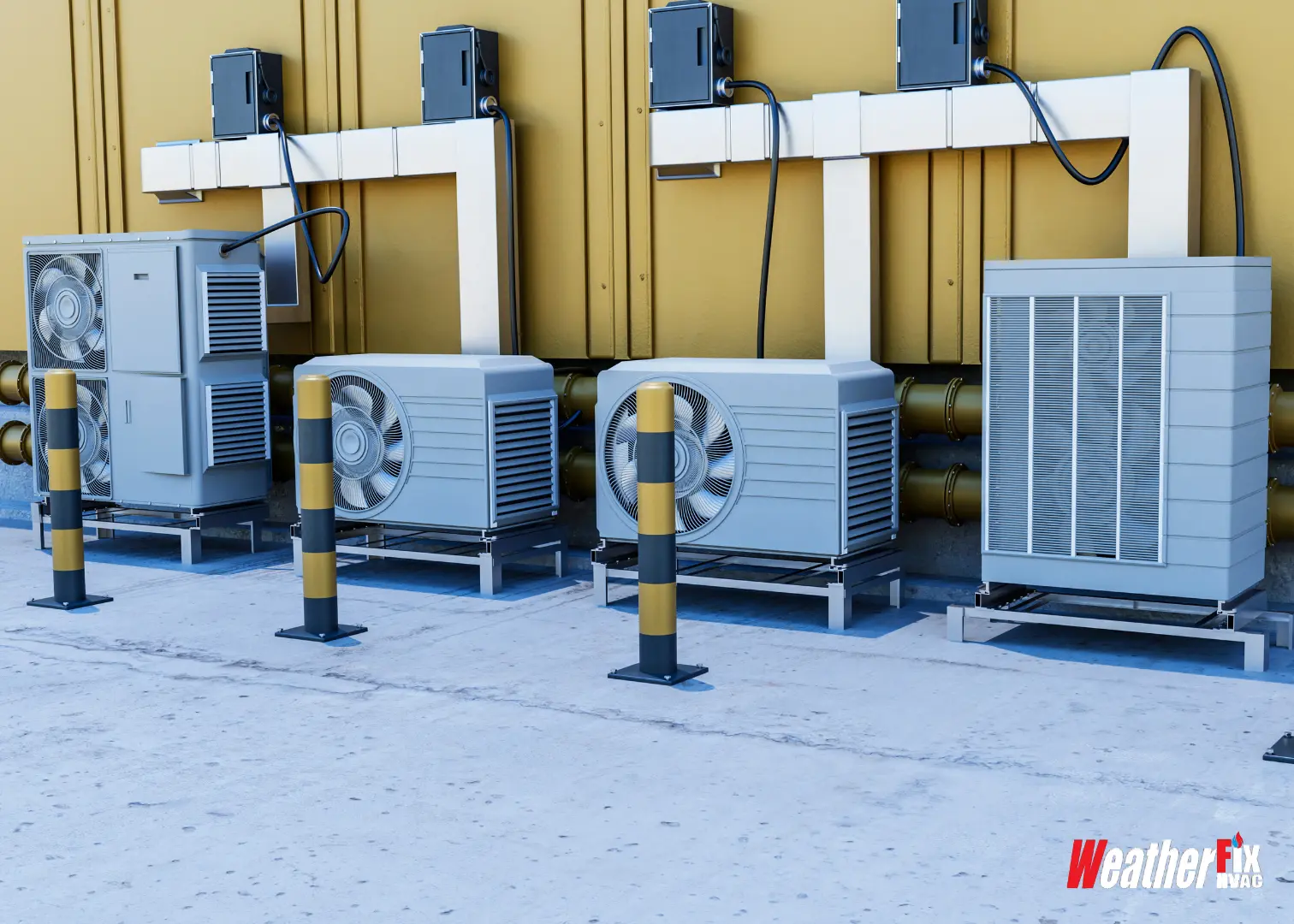
This is the most common setup in Ottawa. It pairs a high-efficiency natural gas furnace for reliable winter heating with a standard central air conditioner for summer cooling.
- Pros: Natural gas is efficient and historically affordable; furnaces provide powerful, hot air even in extreme cold.
- Cons: You are reliant on fossil fuels, and carbon taxes are increasing the operational cost.
The Modern Efficiency Choice: Cold Climate Heat Pump
Heat pumps are exploding in popularity. A cold-climate heat pump handles both heating and cooling in one unit. It runs on electricity and is incredibly efficient.
- Pros: Drastically lowers your carbon footprint; highly efficient; often eligible for massive government rebates (like the Greener Homes initiatives).
- Cons: Higher upfront cost; standard models may struggle below -25°C without a backup heat source.
The “Best of Both Worlds” Choice: Hybrid Heating
For many Ottawa homes, this is the gold standard. A hybrid system pairs an electric heat pump with a backup gas furnace. The heat pump handles the cooling and the heating on mild winter days (down to -10°C or -15°C). When the deep freeze hits, the system automatically switches to the gas furnace for powerful, affordable heat.
Size Matters: The Importance of Correct Sizing
The biggest mistake homeowners make is assuming “bigger is better.” An oversized system will turn on and off frequently (short-cycling), leading to uneven temperatures, high energy bills, and early breakdowns. An undersized system will run constantly and never keep you comfortable.
The “Manual J” Calculation
To ensure the system fits your home, your contractor must perform a “Manual J” load calculation. This isn’t a guess based on square footage. It is a precise engineering calculation that considers:
- Your home’s insulation levels.
- The number and quality of your windows.
- The orientation of your house (sun exposure).
- Your local climate data (Ottawa’s specific weather patterns).
Never hire a contractor who quotes you a price without seeing your home or performing this calculation.
Deciphering the Efficiency Ratings
You will see a lot of acronyms on the yellow EnergyGuide stickers. Here is what they mean for your wallet.
AFUE (Annual Fuel Utilization Efficiency)
This measures a furnace’s efficiency.
- Standard: 80% AFUE (80% of fuel becomes heat, 20% is wasted).
- High-Efficiency: 96-98% AFUE (Almost all fuel becomes heat). In Ottawa, a 96%+ furnace is the smart standard investment.
SEER2 (Seasonal Energy Efficiency Ratio)
This measures cooling efficiency. The higher the number, the less electricity it uses.
- Standard: 13-14 SEER2.
- High-Efficiency: 16-20+ SEER2. Higher SEER units often have quieter fans and better humidity control, which is excellent for Ottawa summers.
Don’t Forget the “V” in HVAC: Ventilation
A tightly sealed home is efficient, but it traps stale air. When choosing a system, consider adding an HRV (Heat Recovery Ventilator) or ERV (Energy Recovery Ventilator). These devices swap stale indoor air for fresh outdoor air without losing your heat. They are essential for indoor air quality and preventing “stuffy” winter homes.
Choosing the Right Contractor
You can buy the most expensive, high-tech equipment on the market, but if it is installed poorly, it will fail. The installation quality is more important than the brand name on the box.
- Check Credentials: Ensure they are TSSA certified for gas work and 313A/313D certified for refrigeration. You can learn more about these requirements in our guide on how to get an HVAC license in Ontario.
- Get Detailed Quotes: Avoid back-of-the-napkin estimates. Learn how to choose the right HVAC contractor by insisting on itemized quotes and written warranties.
- Ask About Maintenance: Your new investment will need care. Ask if they offer plans for AC maintenance in Ottawa or annual furnace tune-ups to protect your warranty.
Conclusion: Making the Right Investment
Learning how to choose heating and air conditioning system components properly is an investment in your home’s future value and your family’s daily comfort. By understanding your fuel options, insisting on proper sizing, and prioritizing high efficiency, you can build a system that conquers the Ottawa climate.Ready to explore your options? Whether you need expert heating services in Ottawa or are considering a new AC installation in Ottawa, our team is here to guide you to the perfect solution.