
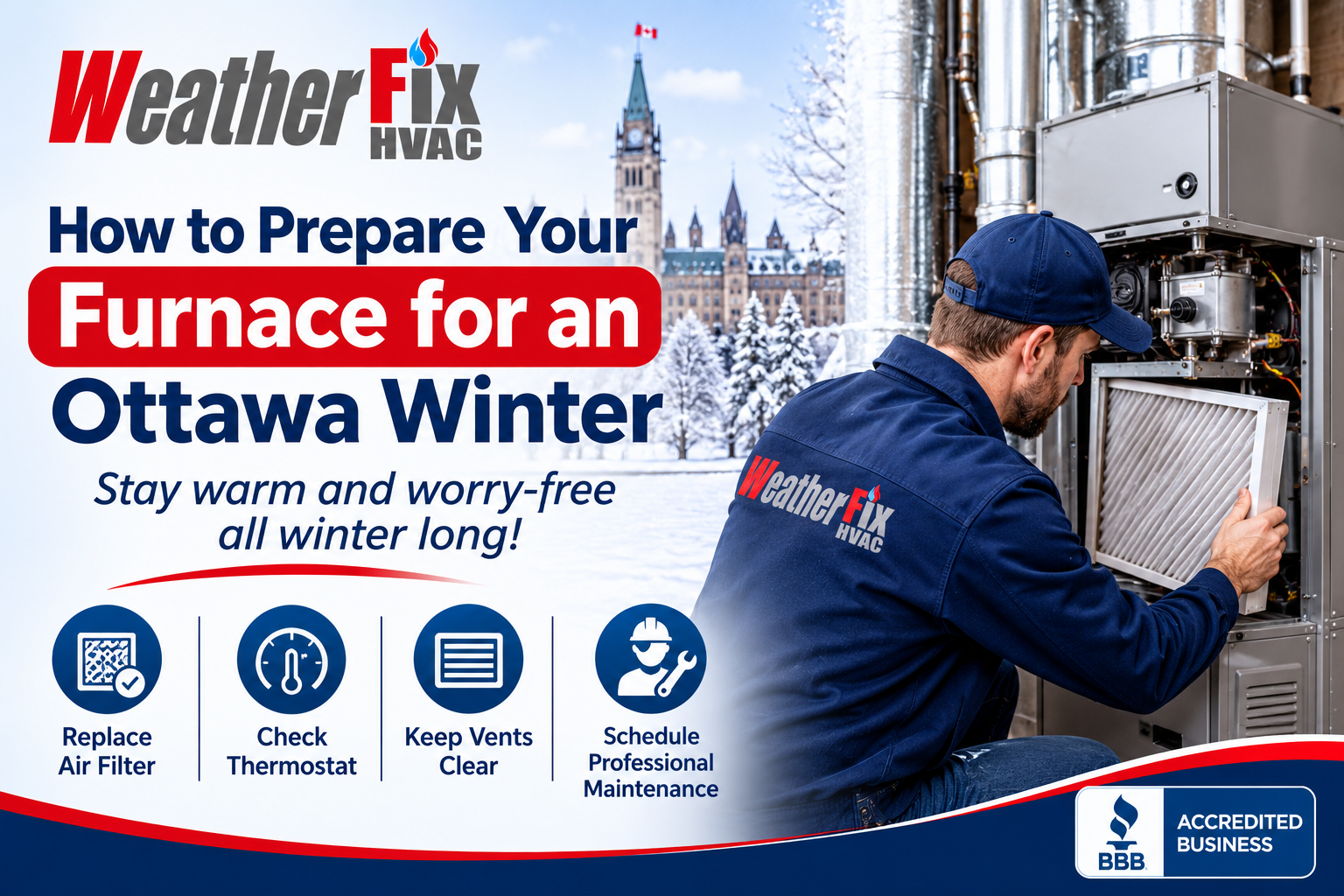
Winter in the National Capital Region brings freezing winds and temperatures plunging to -30°C. Knowing how to prepare your furnace for an Ottawa winter protects your family from sudden mid-January breakdowns. A reliable heating system is essential for keeping your home safe and comfortable.
Booking professional heating services in Ottawa before the first snowfall prevents costly emergency repairs. Many homeowners also wonder how often should you service your furnace to keep manufacturer warranties valid.
Learning how to check if your furnace is working properly empowers you to spot small issues early. This complete checklist covers simple homeowner tasks and essential professional safety inspections.
Why Fall Furnace Preparation Matters in Ottawa
Ottawa experiences harsh, unpredictable weather swings from October through April. Your heating system works thousands of hours to battle freezing air and heavy snowstorms. Neglecting fall maintenance creates serious financial and safety risks for local households.
- Lower Enbridge and Hydro Bills: Clean burners and fresh filters reduce energy waste during peak winter demand.
- Preventing Frozen Pipes: A sudden furnace failure during a cold snap can freeze plumbing lines and flood basements.
- Protecting Carbon Monoxide Safety: Cracked heat exchangers or blocked vents can leak deadly, odourless carbon monoxide indoors.
- Preserving Equipment Lifespan: Annual tune-ups reduce mechanical wear and help your furnace last 15 to 20 years.
How to Prepare Your Furnace for an Ottawa Winter: 8 Essential Steps
Taking proactive steps each autumn ensures your heating equipment runs safely and efficiently all season. Follow these eight steps to learn how to prepare your furnace for an Ottawa winter before freezing weather arrives.
1. Replace or Clean Your Furnace Air Filter
A clogged air filter is the leading cause of winter furnace shutdowns. Dust, pet dander, and fall debris block vital airflow into your blower motor. Restricted airflow forces the heat exchanger to overheat and trip safety limit switches.
Check your filter monthly and replace it every 30 to 90 days. Always match the exact size and MERV rating recommended in your owner’s manual. Ensure the airflow arrow on the filter frame points directly toward the furnace cabinet.
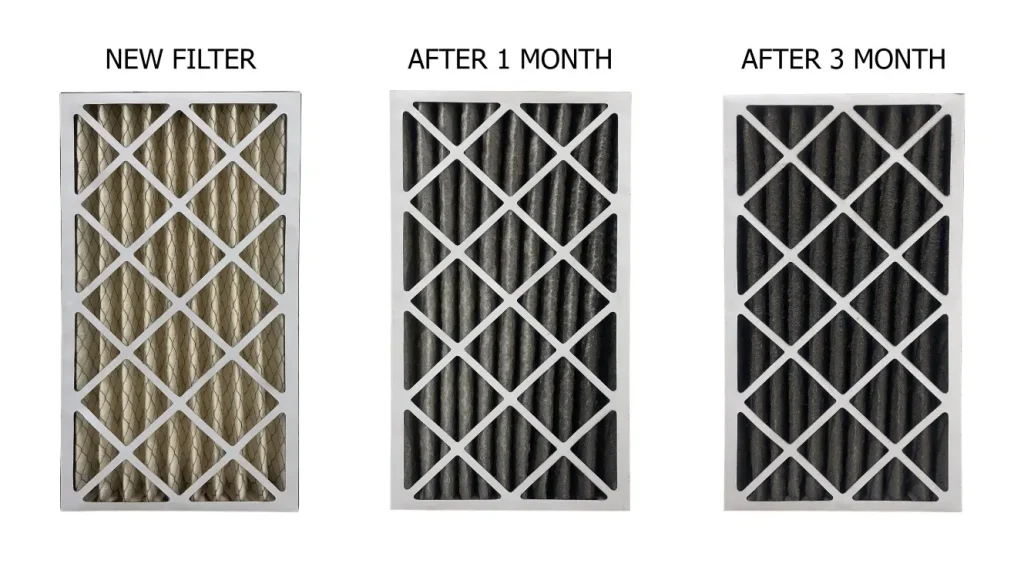
Replace dirty furnace filters to maintain strong winter airflow. Source Lee Company
2. Test Your Thermostat Early in the Fall
Do not wait for the first freezing night to test your heating controls. Switch your thermostat from “COOL” or “OFF” to “HEAT” mode on a crisp autumn day. Raise the target temperature two or three degrees above the current room reading.
Listen for the furnace burners to ignite and feel for warm air at your registers. Keep the fan setting on “AUTO” rather than “ON” for balanced heating. Consider upgrading to a programmable smart thermostat to save money while away at work.
3. Open and Clear All Supply Vents and Return Grilles
Walk through every room in your home to inspect floor registers and wall vents. Furniture, heavy curtains, and area rugs often block warm air circulation. Blocked vents create uncomfortable cold spots and increase air pressure inside your ductwork.
Vacuum dust and pet hair off return-air grilles to keep airflow unobstructed. Never close vents in unused rooms to push heat elsewhere. Closing registers strains your blower motor and reduces overall heating efficiency.
4. Clear Clutter Around the Indoor Furnace Cabinet
Many homeowners store cardboard boxes, paint cans, and seasonal decorations inside their basement mechanical room. Clutter near your furnace restricts combustion airflow and creates a serious fire hazard.
Maintain at least three feet of clear floor space around your heating unit. Keep flammable liquids, cleaning chemicals, and laundry well away from open burner flames. Clear access also helps technicians inspect your system quickly during service visits.
5. Inspect Outdoor Intake and Exhaust Vent Pipes
High-efficiency gas furnaces vent exhaust gases outdoors through white PVC pipes. Walk outside and inspect these wall pipes for fallen leaves, bird nests, or debris. Blocked pipes trigger pressure switches and shut down your furnace immediately.
During Ottawa snowstorms, check these exterior pipes regularly after heavy snowfalls or freezing rain. Clear away snowdrifts gently by hand without hitting or damaging the plastic fittings.
6. Test Smoke and Carbon Monoxide Alarms
Fuel-burning appliances require working carbon monoxide detectors for family safety. In Ontario, homes with gas furnaces must have working CO alarms on every storey. Alarms must also sit adjacent to every sleeping area.
Press the test button on every smoke and carbon monoxide unit each fall. Install fresh batteries and check the manufacturing expiration date on the back. Replace any detector older than seven to ten years immediately.
7. Service Your Whole-Home Humidifier and Seal Drafts
Ottawa winters bring dry indoor air that damages wood floors and irritates sinuses. If you have a furnace-mounted humidifier, replace the water panel pad each autumn. Set your humidistat between 30% and 40% to prevent window condensation.
Walk around exterior doors and windows to check for chilly drafts. Apply fresh weatherstripping or caulking to seal gaps where warm air escapes. For extra efficiency advice, explore our guide on how to keep warm in winter.
8. Schedule a Professional TSSA Furnace Tune-Up
Homeowner checks are helpful, but they cannot replace a licensed mechanical inspection. In Ontario, only TSSA-certified technicians can legally inspect and service natural gas appliances.
During an annual tune-up, technicians clean burners, test gas pressure, and inspect the heat exchanger. They also test electrical connections and verify safe carbon monoxide exhaust levels. Annual servicing keeps your manufacturer warranty valid and prevents mid-winter breakdowns.
DIY Tasks vs. Professional TSSA Furnace Maintenance
Knowing which tasks you can handle safely versus what requires a licensed technician protects your home. Use this comparison table to organize your annual fall furnace preparation.
| Maintenance Task | Homeowner DIY | TSSA-Certified Technician | Recommended Frequency |
| Replace Furnace Air Filter | Yes | Optional | Every 1 to 3 months |
| Test Thermostat & Batteries | Yes | Verified | Every fall |
| Clear Vents & Outdoor PVC Pipes | Yes | Verified | Monthly in winter |
| Test Carbon Monoxide Alarms | Yes | Verified | Monthly |
| Inspect Heat Exchanger for Cracks | No | Mandatory | Annually |
| Clean Burners & Flame Sensor | No | Mandatory | Annually |
| Test Gas Pressure & Vent Draft | No | Mandatory | Annually |
Optimizing Your Home Envelope to Support Your Furnace
Your furnace works much harder when warm indoor air escapes through attic hatches or basement leaks. Simple building upgrades reduce heating demand and keep every room comfortable.
- Reverse Ceiling Fan Blades: Switch ceiling fans to spin clockwise at low speed during winter. This pushes rising warm air back down into your living space.
- Seal Accessible Ductwork Leaks: Inspect basement supply ducts for disconnected joints or air leaks. Seal gaps tightly using foil-backed HVAC tape rather than standard cloth duct tape.
- Insulate Attic Hatches: Check that your attic access panel sits flush with foam weatherstripping. Heat rises quickly through unsealed ceiling openings during freezing nights.
Warning Signs Your Furnace Needs Repair or Replacement
Even with regular care, aging furnaces eventually show signs of mechanical wear. Pay close attention to these red flags during your fall startup test:
- Yellow or Flickering Burner Flames: Healthy gas burners produce a steady blue flame. Yellow flames indicate incomplete combustion and potential carbon monoxide risks.
- Unusual Banging, Squealing, or Rattling: Loud noises point to loose blower belts, failing motor bearings, or delayed ignition.
- Frequent Short-Cycling: A furnace that turns on and off every few minutes struggles with airflow or sensor faults.
- Rising Heating Bills: Older units lose thermal efficiency and burn extra natural gas to heat your rooms.
If your furnace is over 15 years old, repairs may no longer be economical. Upgrading to a modern furnace installation in Ottawa cuts fuel consumption and boosts winter comfort. You can also explore can a heat pump replace a furnace for dual-fuel hybrid heating.
Do not forget your hot water system during fall prep. Knowing when to replace your hot water tank prevents cold showers and basement leaks. You can also rely on our water heater Ottawa team for complete home comfort.
Frequently Asked Questions About Preparing Your Furnace for Winter
When is the best time to prepare my furnace for an Ottawa winter?
September or October is the ideal time for fall furnace maintenance. Booking early avoids the November rush when cold weather triggers emergency service calls.
How often should I replace my furnace filter during winter?
Check your furnace filter once a month during peak winter heating. Replace standard one-inch pleated filters every 30 to 60 days. Homes with pets or allergies require more frequent filter changes.
Should I cover my outdoor air conditioner unit for the winter?
No, avoid wrapping your entire central AC condenser in plastic tarps. Trapped moisture causes rust and attracts nesting rodents inside the cabinet. Place a simple plywood board on top to block falling icicles.
Why does my furnace smell dusty the first time I turn it on?
A brief burning dust smell is normal during your first fall startup. Dust settled on the heat exchanger burns off within twenty minutes. If the smell persists or smells like gas, shut the unit down immediately.
What should I do if I smell natural gas near my furnace?
Leave your home immediately without flipping light switches or using phones indoors. Call 911 or the Enbridge Gas emergency line from a safe outdoor location.
Book Your Winter Furnace Tune-Up with WeatherFix HVAC
Understanding how to prepare your furnace for an Ottawa winter keeps your family warm, safe, and stress-free. Combining simple homeowner checks with expert annual servicing protects your budget all season.
At WeatherFix HVAC, our TSSA-certified technicians deliver thorough winter tune-ups and honest advice. We proudly serve homeowners across Ottawa, Kanata, Barrhaven, Orleans, Nepean, Gloucester, and Stittsville. Contact our local team today before the first deep freeze arrives.
Schedule your fall furnace inspection with WeatherFix HVAC:
- Phone: 613-720-4567
- Email: Service@WeatherFix.ca
- Address: 1442 Forest Valley Dr, Ottawa, ON K1C 5N1
- Website: www.weatherfix.ca