

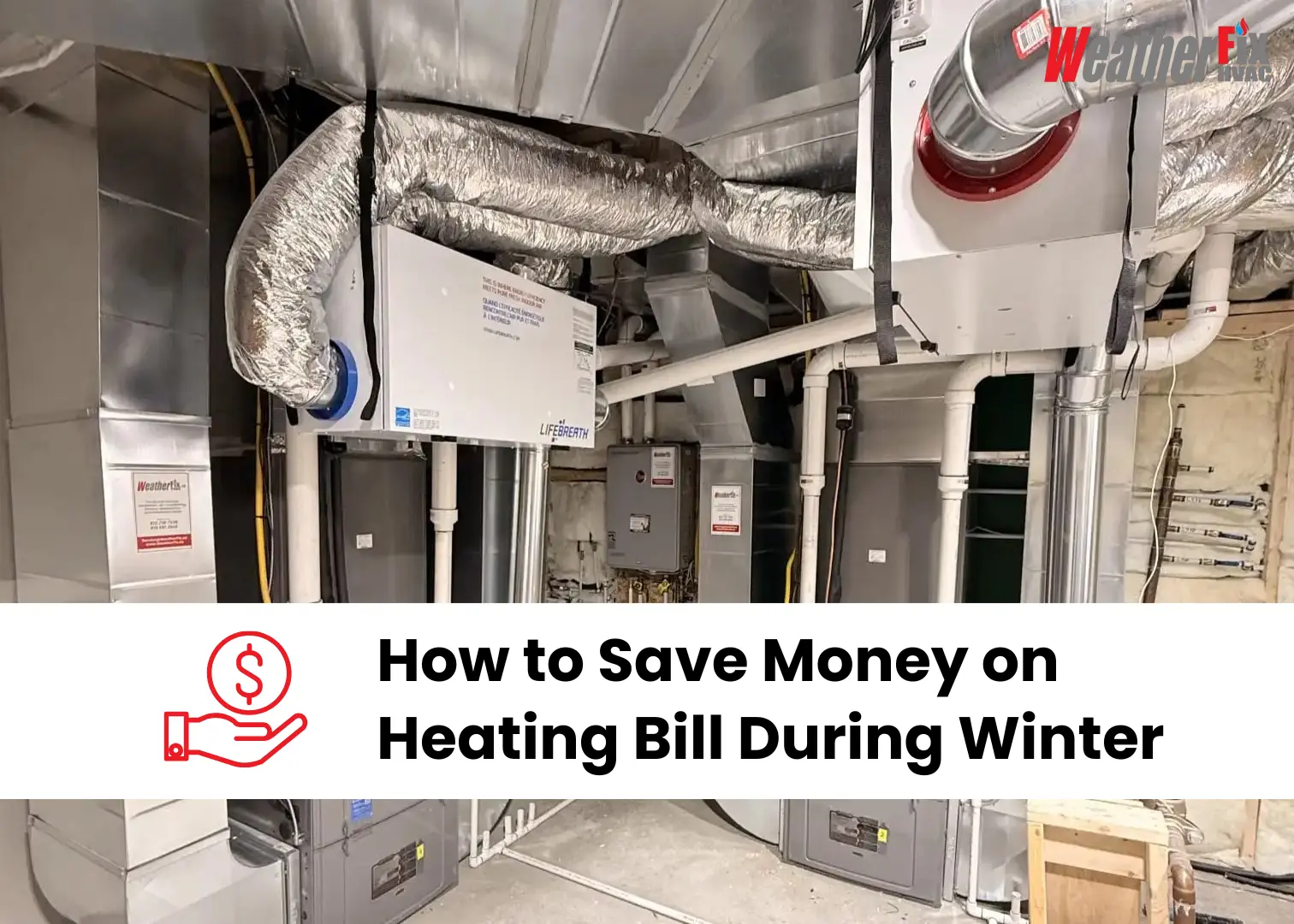
Canadian winters are beautiful, but they bring very high heating bills. Up to 64% of residential energy in Canada goes to space heating. With temperatures often dropping far below freezing in Ottawa, keeping your home warm can get expensive quickly. If you are asking how to save money on heating bill during winter, you are not alone. This guide gives you over 25 simple, effective steps. You can cut down your energy use. You can keep your house cozy.
How to Save Money on Heating Bill During Winter: 5 Key Strategies
Saving money on heat requires a multi-step approach. You need to focus on maintenance. You need to focus on blocking cold air. You need to focus on smart technology. These strategies work together for maximum savings.
1. Smart Thermostat Strategy: Control and Programming
Controlling your thermostat correctly is the fastest way to see savings. Programming makes a big difference. Natural Resources Canada says programming can save up to 15% on heating costs.
- Turn Down the Dial: Lower your thermostat by just one or two degrees. Experts say a drop of 1°C over eight hours can save about 2% on heating.
- Set it Low When Away: Program your thermostat to 17°C when you are sleeping. Set it low when you are not at home. This temperature helps prevent moisture buildup.
- Keep it Comfortable: Set your temperature no higher than 20°C when you are awake and at home.
- Use Smart Controls: Invest in an ENERGY STAR certified smart thermostat. These devices learn your schedule. They adjust the heat automatically. Smart thermostats can save up to 8% of heating costs on average.
- Zone Heating: Close the doors to unused rooms. Turn down the radiator valves in those areas. Do not waste heat in empty spaces.
2. Defending Your Home: Sealing and Insulation
Drafts are sneaky. They let warm air escape easily. This is often where you lose the most heat.
- Seal Windows and Doors: Apply weather-stripping or caulking to fill drafts. Check around the edges of your windows and doors. This can be a very cost-effective fix.
- Insulate Outlets: Install inexpensive foam insulators behind switch and outlet plates on exterior walls. Cold air often leaks through these small holes.
- Use Window Film: Buy a window insulator kit. It uses plastic film to create an extra layer on your windows. This helps reduce chill.
- Open Curtains for Free Heat: Open curtains and blinds on sunny days. Let the natural sunlight warm your home. This is free solar energy!
- Close Curtains at Night: Close all curtains and blinds once the sun sets. Heavy curtains trap heat inside. They reduce the chill from cold windows.
- Add Attic Insulation: Adding insulation to your attic is often the best way to save. Heat rises, so the attic is where you lose the most.
3. HVAC Maintenance: Keeping Your Furnace Efficient
Your furnace works hardest in the winter. Proper maintenance prevents it from wasting fuel. For all expert needs, contact heating services Ottawa.
- Check and Change Filters: Check your furnace filter monthly during heavy use. A dirty filter blocks airflow. Replace it when it looks dirty. This saves fuel.
- Schedule Annual Service: Get your furnace serviced every year by a professional. This addresses how often should you service your furnace. They ensure safety and maximize efficiency.
- Verify Function: Learn how to check if furnace is working properly before the deep cold hits. This prevents emergency breakdowns.
- Clear Vents: Make sure furniture or drapes are not blocking any heat registers. This allows warm air to flow freely into the room.
- Check Ductwork: Inspect air ducts for leaks. Leaky ducts can waste 20% to 30% of the heated air. Seal any small gaps with metal tape.
4. Water and Appliance Tips for Extra Savings
Heating water takes a lot of energy. Your appliances also contribute to your bills.
- Lower Water Heater Temp: Set your water heater to 120°F (49°C). This saves energy. It also prevents scalding. If you are unsure, you can check how to turn on hot water tank to adjust the temperature correctly.
- Insulate Pipes: Wrap exposed hot water pipes with foam insulation. This keeps the water warm for longer. It reduces heat loss.
- Fix Leaks Fast: Repair any leaky faucets immediately. Wasting water means wasting the energy used to heat it.
- Know Your Tank Life: Be aware of when to replace hot water tank. Older tanks lose heat quickly. Replacing an old tank with a new energy-efficient one saves money.
- Switch to LED: Replace all old lightbulbs with LED bulbs. LED lights use very little power.
- Avoid Phantom Power: Unplug electronics and chargers when they are not in use. Many devices draw power even when turned off.
5. Long-Term Investments: Major Home Upgrades
For the biggest long-term savings, you need major upgrades. These often qualify for Canadian government rebates.
- Upgrade Heating System: If your heating system is old, consider a replacement. New high-efficiency models or a heat pump save substantially. For options, look at furnace installation Ottawa services.
- Improve Warmth: Learn tips on how to keep warm in winter and how to keep yourself warm in a cold room for non-mechanical savings.
- Choose the Right Pro: Before investing, research. You need to know how to choose the right hvac contractor to ensure proper installation and efficiency.
- Upgrade Windows and Doors: Replacing old, single-pane windows stops major heat loss. New, efficient windows significantly improve your home’s thermal performance.
Conclusion
Canadian winters will always be cold. But your heating bill does not have to be so high. By applying simple fixes and smart upgrades, you can take control. This helps you reduce energy use. It keeps your house warm. Start implementing these steps today and enjoy a cozier, more affordable winter.
Frequently Asked Questions (FAQs)
Q1: What temperature should my thermostat be set to at night?
A: Experts recommend setting your thermostat to 17°C (63°F) when you are sleeping. You can program it to warm up just before you wake up.
Q2: Does covering a radiator help keep a room warm?
A: No, covering a radiator or placing furniture in front of it is bad. It traps the heat. This prevents warm air from flowing freely into the room.
Q3: How often should I check my furnace filter?
A: You should check your furnace filter once a month. Replace it when it is dirty. A clean filter ensures your furnace runs efficiently. It helps save fuel.