

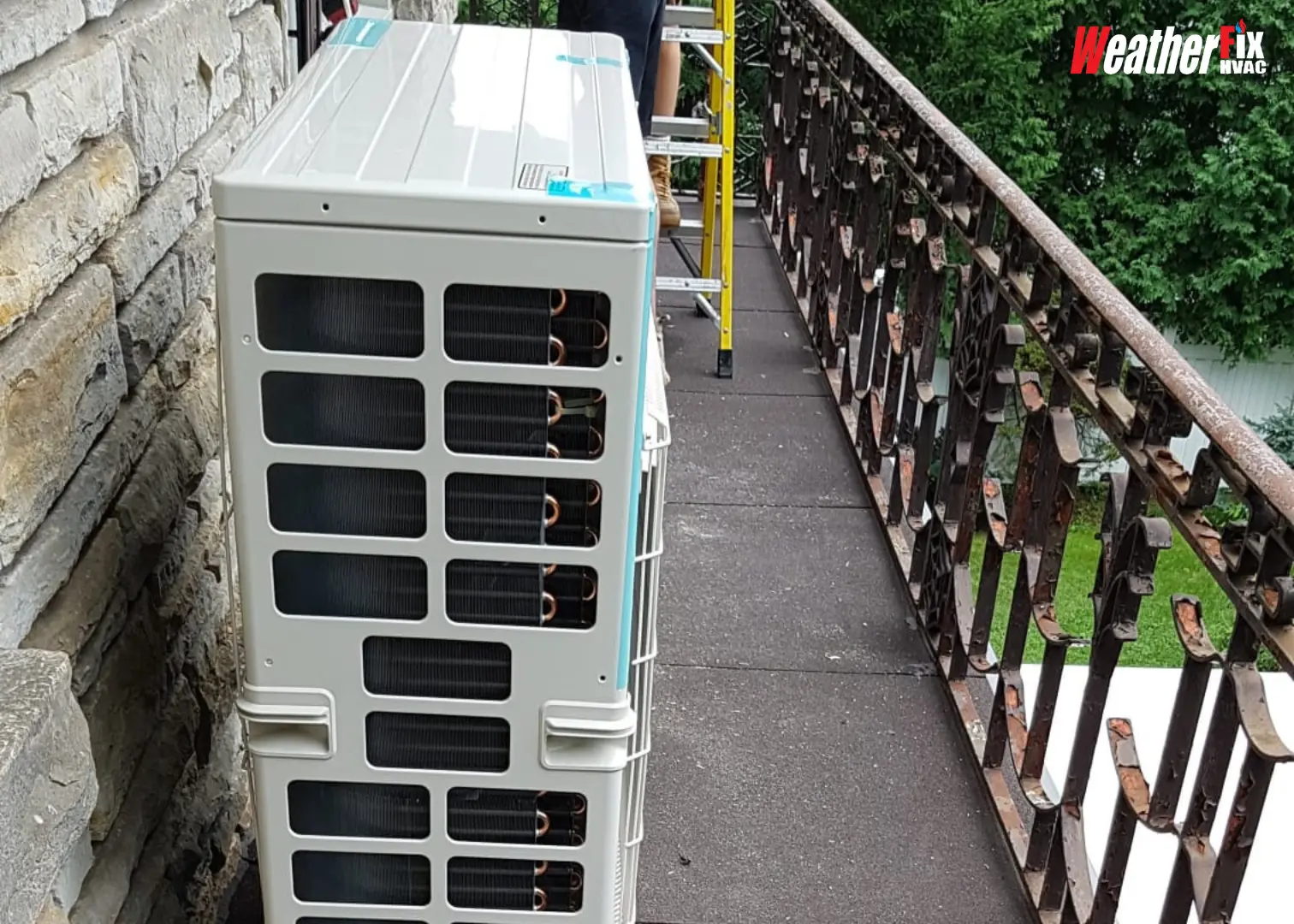
In Ottawa, your heat pump is the hardest working appliance in your home. Unlike a standard air conditioner that only runs in the summer, or a furnace that only runs in the winter, a heat pump works year-round. It battles the cottonwood fluff in June, the humid heat of July, and deep snow in January, leaving many homeowners wondering how do you clean a heat pump to keep it efficient through every season.
Because it runs for 12 months a year, it gets dirty twice as fast as other systems. A dirty unit has to work much harder to move air, which drives up your electricity bills and can shorten the lifespan of the equipment. Regular maintenance is the only way to prevent these issues and protect the long-term value of the heat pump installation ottawa residents rely on for their comfort.
This guide will walk you through the DIY maintenance steps you can take to keep your system breathing freely, and help you identify when it’s time to call a professional for a deep clean.
How Do You Clean a Heat Pump: A Step-by-Step Guide
Cleaning a heat pump isn’t complicated, but it requires care. The system relies on airflow to work. If the “fins” (the metal grilles that look like a car radiator) are clogged with dirt, the system suffocates. Here is how to safely clean your unit.
Step 1: Safety First (Power Off)
Before you touch anything, you must turn off the power.
- Outdoor Unit: Look for a grey metal box mounted on the wall near the unit. Open it and pull the disconnect handle or switch it to “Off.”
- Indoor Unit: If you are cleaning a ductless mini-split head, turn it off at the remote and, ideally, flip the breaker in your electrical panel.
Step 2: Clear the “Ottawa Debris”
In our city, the outdoor environment changes drastically.
- Spring/Summer: Remove any tall grass, weeds, or vines growing around the unit. Check the fins for “cottonwood” fluff, which is notorious in Ottawa for weaving a thick blanket over outdoor coils.
- Fall: Clear away piles of leaves that may have gathered against the side of the unit.
- Winter: Ensure the top of the unit is clear of heavy snow and ice. If your unit is on a snow stand (which it should be in Ottawa), make sure the space under the unit is clear so meltwater can drain away.
Step 3: The Gentle Wash (Outdoor Unit)
Once the big debris is gone, you need to wash the dust and pollen out of the aluminum fins.
- Use a Garden Hose: Use a standard garden hose with a spray nozzle set to a gentle “shower” or “flat” setting.
- Water Direction: Spray water from the top down. If possible, aim the water at a downward angle to push dirt out of the fins.
- NO Pressure Washers: Never use a high-pressure washer. The aluminum fins are paper-thin and fragile. A pressure washer will crush them flat, destroying your unit’s ability to breathe and requiring an expensive repair.
Step 4: Cleaning the Indoor Filters
For the indoor part of your system, the cleaning method depends on what type of unit you have.
- Ducted System: If you have a central heat pump connected to a furnace, simply check and replace your furnace filter every 1-3 months.
- Ductless Mini-Split: Lift the front panel of the wall-mounted unit. Slide out the mesh filters. Wash them in a sink with warm water and mild dish soap. Let them air dry completely before putting them back.
When to Call a Professional
While you can handle the basic exterior washing, there are parts of the system you cannot reach. Over time, mould and deep-seated grime can build up inside the coils where a garden hose can’t reach.
You should schedule professional AC maintenance in Ottawa or a heat pump tune-up if:
- You see dark spots: If you look inside the air vent of a ductless unit and see black spots on the fan wheel, that is likely mould or mildew.
- Smells: A musty “dirty sock” smell indicates bacterial growth on the indoor coil.
- Reduced Performance: If the unit is making noise or isn’t heating/cooling as well as it used to, it likely needs a deep chemical clean and a refrigerant check.
Why Cleaning Matters for Efficiency
A clean heat pump is a cheap heat pump. When the outdoor coil is clogged with dirt, the system has to run longer and work harder to absorb heat from the air. This increases the amperage draw of the compressor.
Considering how much power a heat pump uses is directly related to how hard it has to work, keeping those coils clean is the easiest way to keep your hydro bills in check. A dirty system may also struggle to keep up in extreme cold, forcing it to rely on expensive backup auxiliary heat.
Seasonal Timing in Ottawa
Because our seasons are so distinct, we recommend a “two-season” cleaning schedule.
The “Cottonwood” Clean (June/July)
Ottawa has a heavy cottonwood season in late spring. These fluffy seeds are sucked into your heat pump fins like a magnet. Check your unit in late June. If it looks like it’s wearing a white sweater, wash it immediately.
The Pre-Winter Prep (October/November)
Before the snow flies, do a final check. Clear away dead leaves and ensure the unit is level on its stand. This is also the perfect time to schedule professional heating services in Ottawa to ensure the reversing valve and defrost controls are ready for winter.
Conclusion: A Few Minutes for Years of Comfort
Learning how do you clean a heat pump is a simple skill that pays huge dividends. By spending twenty minutes with a garden hose and checking your filters, you protect your investment and ensure your home stays comfortable.
However, remember that DIY cleaning is just the surface. To keep your warranty valid and your system safe, don’t skip the annual professional inspection. If you are unsure about the condition of your unit, or if it’s been years since a pro looked at it, contact Weatherfix today. We can help you with everything from a simple tune-up to advising on how to choose the right HVAC contractor for your future needs.
Frequently Asked Questions (FAQ)
1. Can I use a commercial coil cleaner on my heat pump?
It is generally safer to stick to water for DIY cleaning. Many commercial coil cleaners are acidic or caustic. If they aren’t rinsed off perfectly, they can eat away at the aluminum fins and copper tubing, causing leaks. Leave the chemical cleaning to the professionals.
2. How often should I clean the filters in my ductless mini-split?
In a typical Ottawa home, you should clean the filters every 4 to 6 weeks. If you have pets or do a lot of cooking, you may need to clean them as often as every 2 weeks. Clogged filters are the #1 cause of ductless heat pump failures.
3. Is it safe to pour hot water on my heat pump to melt ice in winter?
If your heat pump is encased in thick ice (not just a little frost), you can use warm (not boiling) water to help melt it gently. However, heavy icing is often a sign that the defrost board isn’t working or the unit is low on refrigerant. If it keeps happening, you need to check how to check if your furnace is working properly or call a tech.
4. Do I need to cover my heat pump in the winter?
No! Unlike an air conditioner, a heat pump runs all winter. If you put a cover on it, you will block the airflow it needs to extract heat, and you will destroy the compressor. Only use a specifically designed “snow shelter” that sits above the unit, never a cover that wraps around it.